
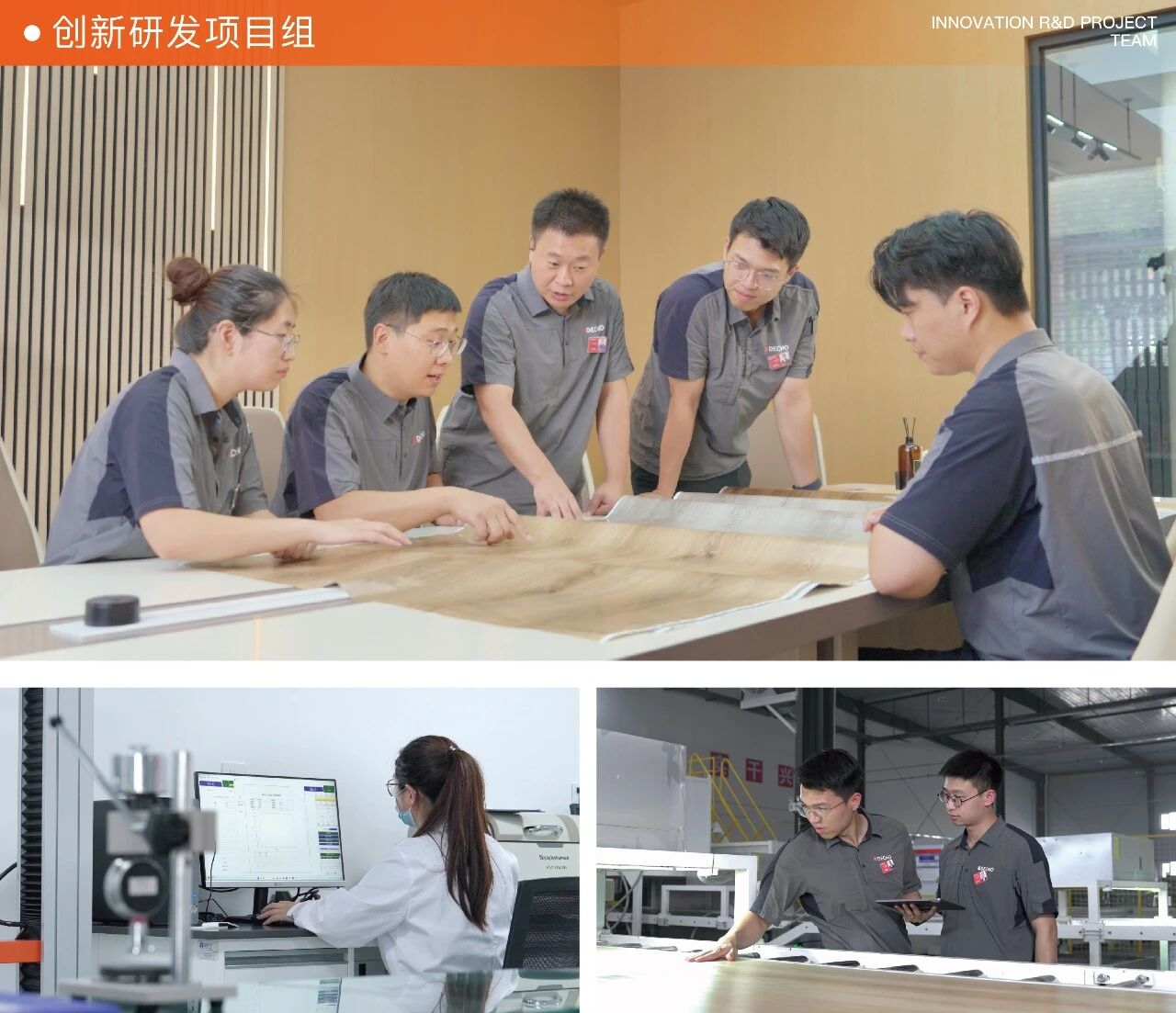
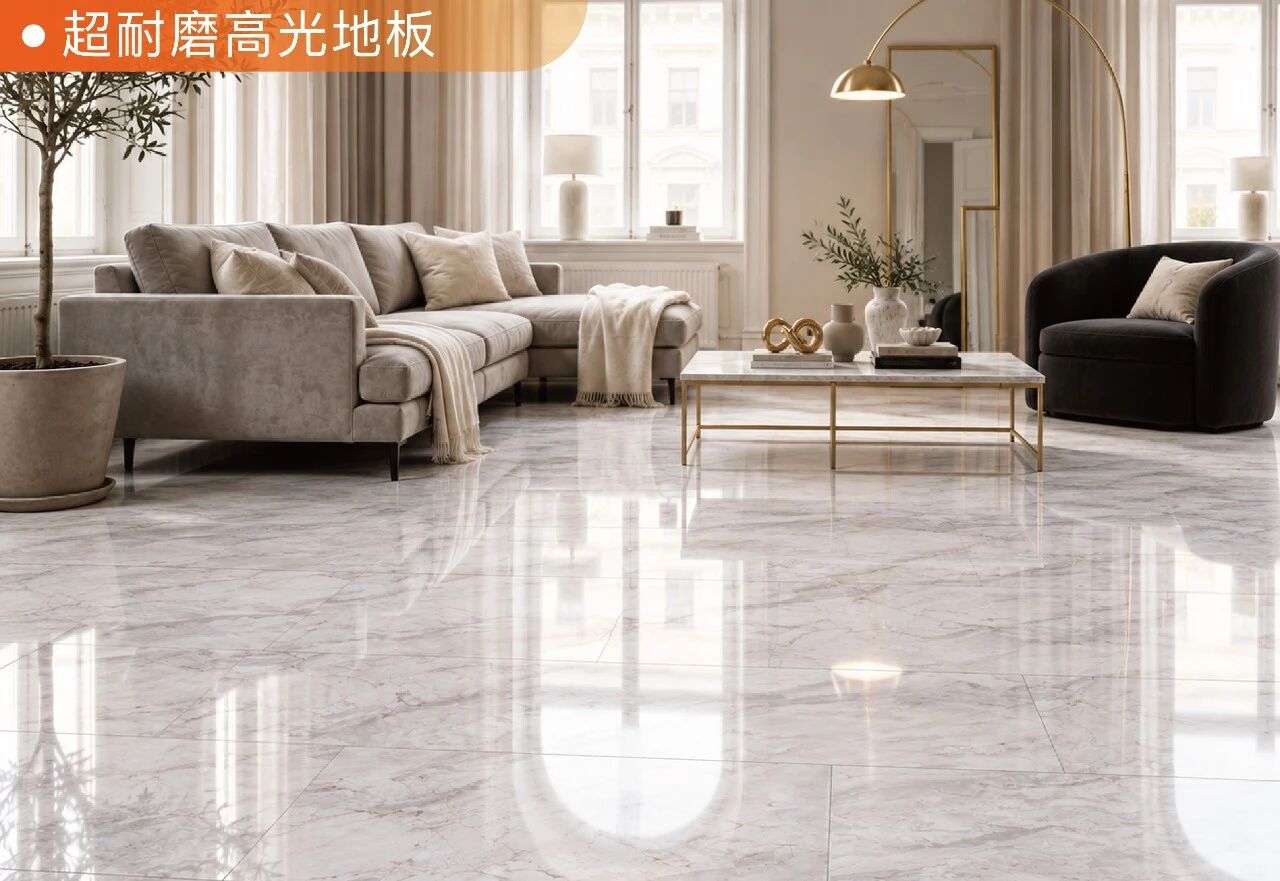
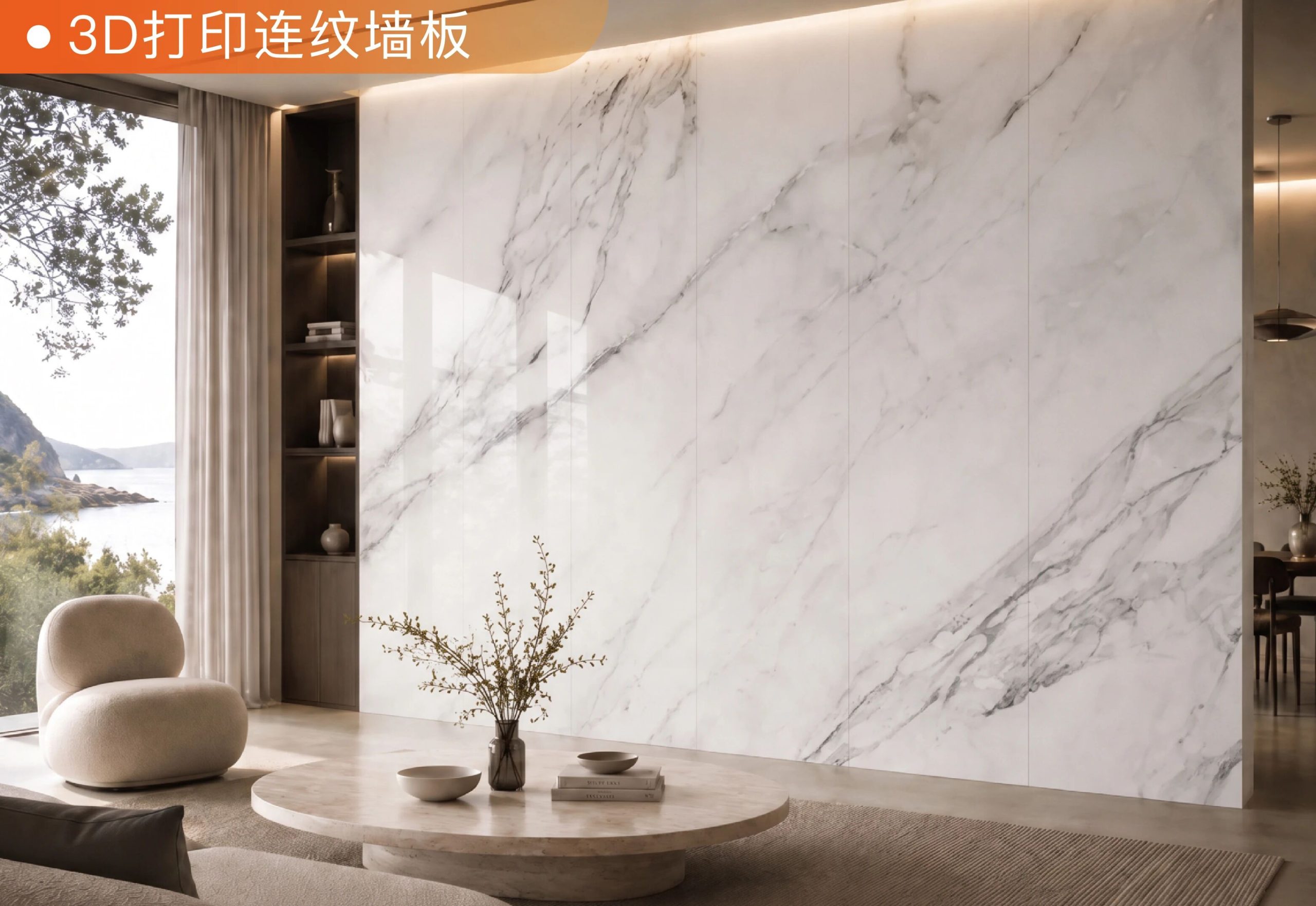
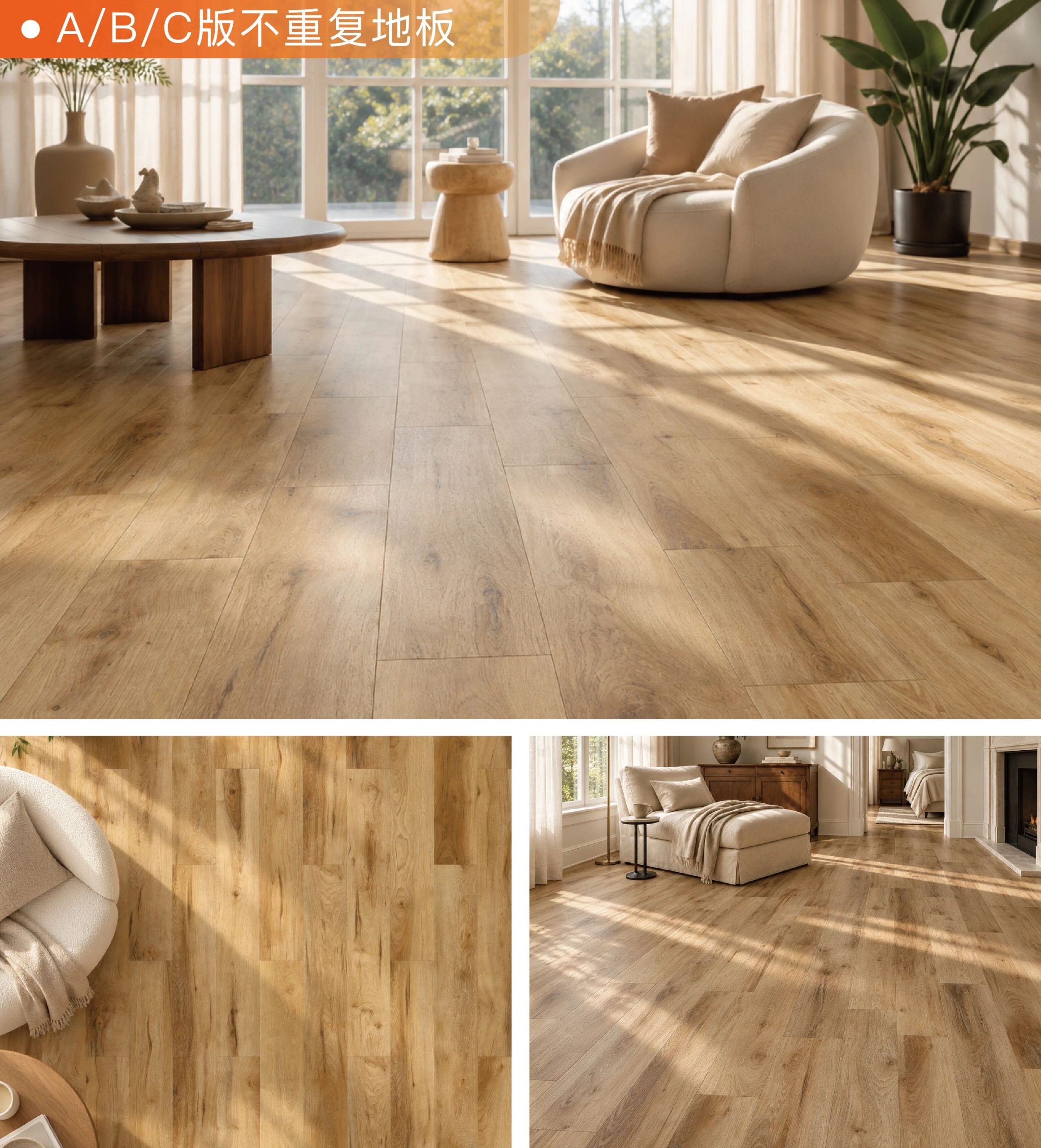
On 3 September, DECNO New Materials (Hebei Free Trade Zone) Ltd. held its second launch in 2026.A series of innovative products such as 3D-printed wallboards, high-light sculptor panels, square grafted floors, ultra-resistible high-light floors, etc. were presented in a synchronized presentation of the bathroom set.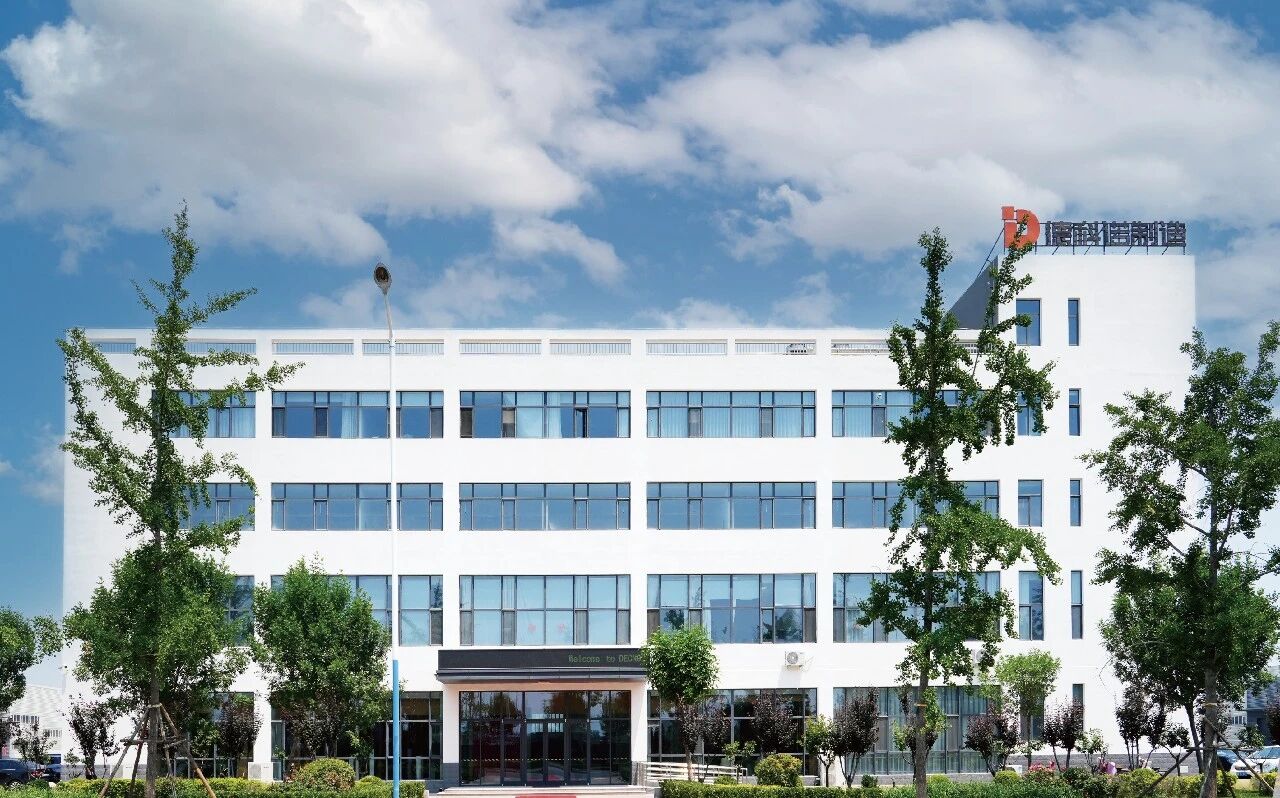 At present, the “Fifty-Fifty Five” programme framework places “accelerating high-level technological self-reliance and leading to the development of new qualitative productivity” at an unprecedented strategic level. New quality productivity “results from technological revolutions, innovative deployment of factors of production, and the upgrading of industrial depths, with high-tech, efficient and high-quality characteristics”. The establishment of the DECNO Innovation Research and Development Project Team and the regular presentation of innovative results, such as new product releases, are a vivid response to the theme of the era — the integration of resources with a global vision driven by innovation and driven by innovative research and development, the recasting of industry logic with landscape applications, and the provision of a reference course of practice for the “new quality” transformation of traditional building materials industries.
  At the heart of new quality productivity lies science and technology innovation. The “Fifty-five” programme framework explicitly calls for “enhanced pooling of innovative resources to enterprises” and “accelerating the integration of innovation into enterprise-led productive research”.
 The construction materials sector is currently undergoing profound change. The “Fifty-Fifty-five” plan outlines a comprehensive green transformation to accelerate economic and social development. The Ministry of Industry and Communications has proposed that the “Fifty-Fifty-Fifty-Fifty” period willSmart, green, integrated.In the direction of upgrading new technologies in manufacturing.
 Using the Belgian UNILIN ' s carton technology, the square flooring innovation has helped builders quickly to locate the floor, lowering the installation threshold.Further improve the efficiency of the laying.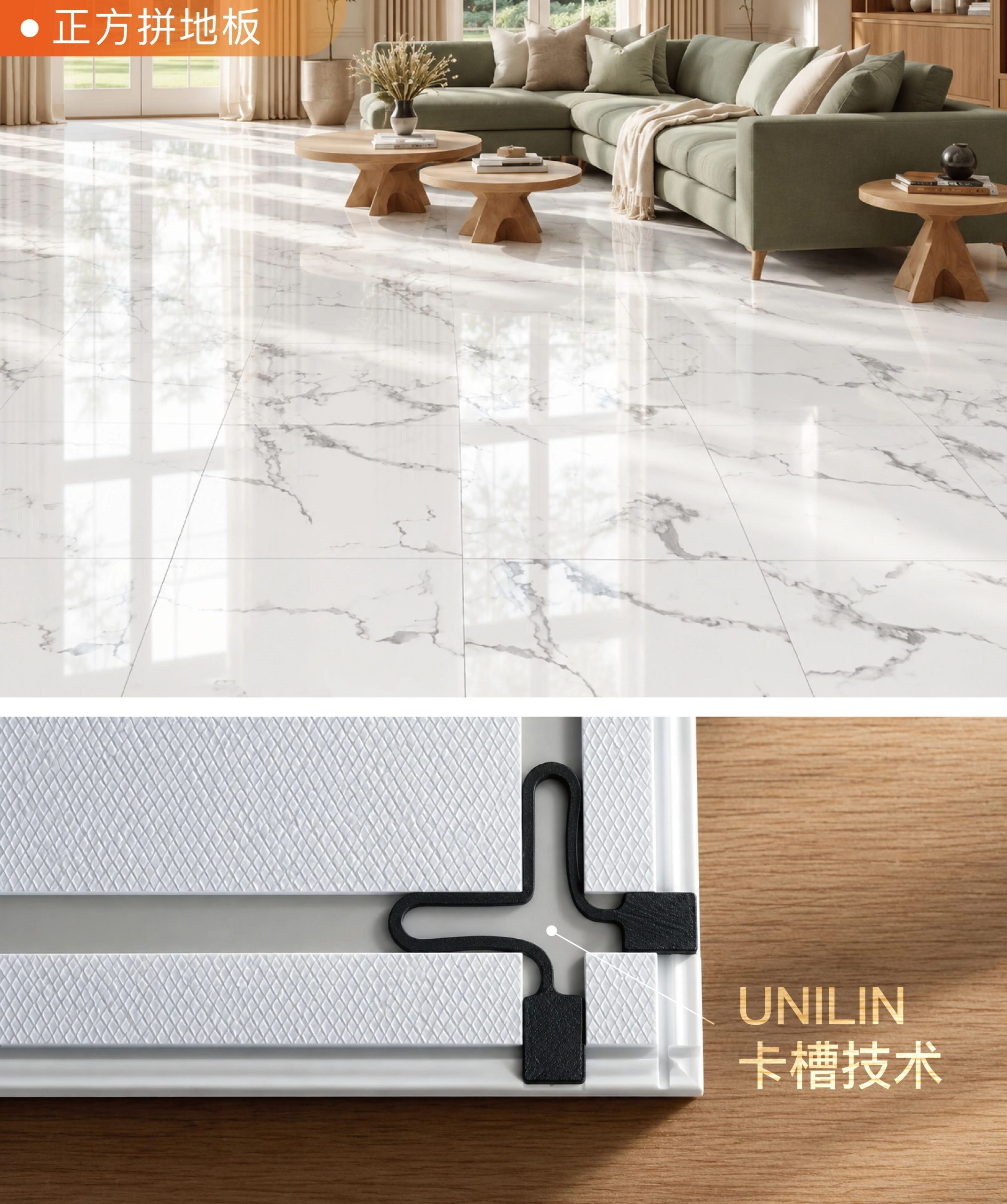
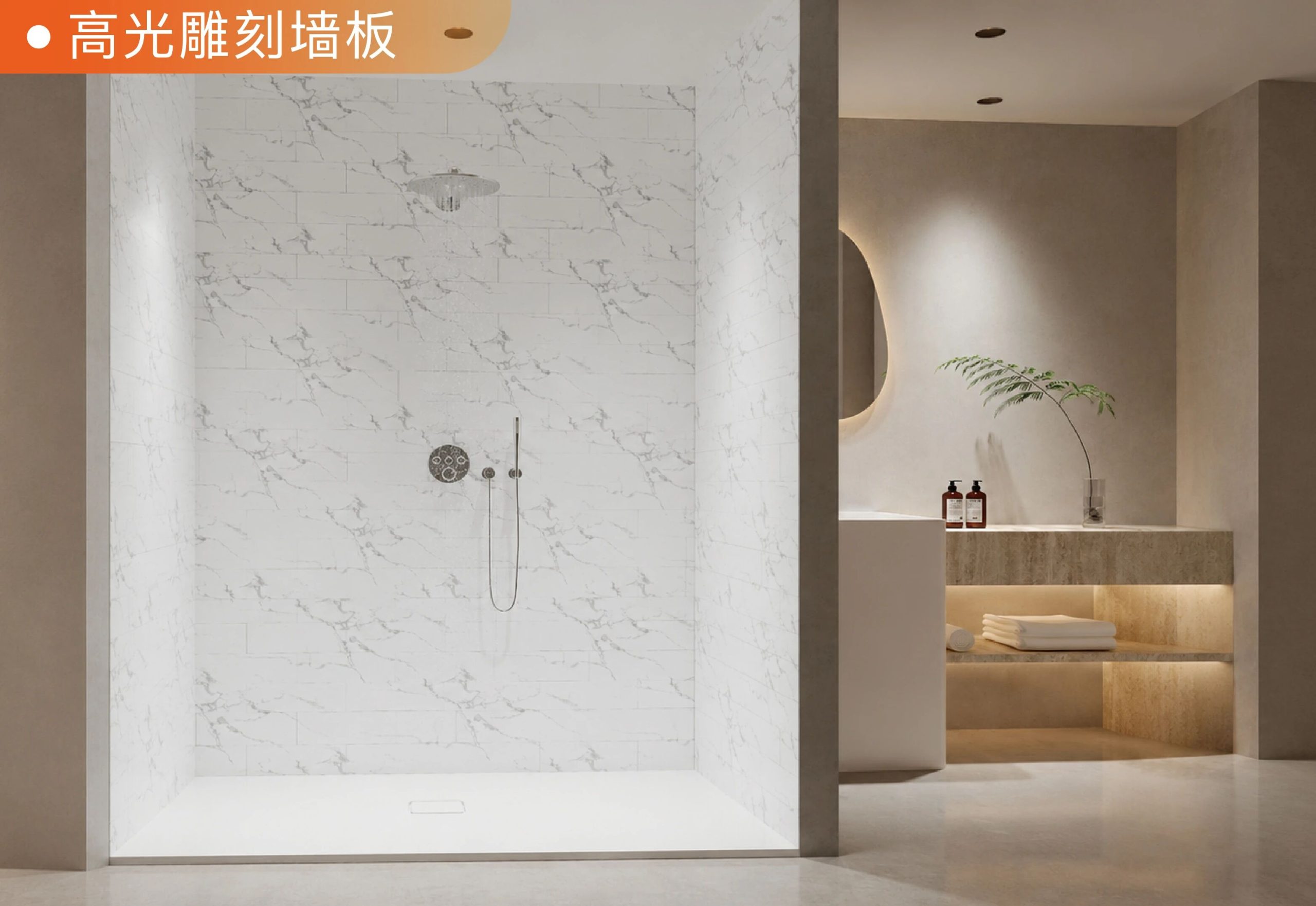
 High-light sculpted walls combine the high light with the engraving process, giving them a visual effect comparable to the tiles, while far beyond the traditional tiles in terms of ease of installation. It's a matter of concern that this bathroom set is not just a single-product show.“Situation solutions”The concentration. The shift from single-product presentations to scene applications, from material suppliers to space solutions providers, reflects deep changes in the business model of the building materials industry.
 The DECNO practice shows that the “new quality” transformation of traditional building materials industries requires both technological breakthroughs in material science, manufacturing processes and innovative re-engineering of business models and service patterns. The two are mutually reinforcing and one cannot be separated.
 The DECNO innovation practice is a clear example of the process of “new” in the construction materials industry in China. The “Fifty-five” programme outlines “enhanced corporate ownership of science, technology and innovation”. The DECNO has always been guided in this direction by an ongoing attempt to better integrate the physical properties of new green building materials with aesthetics. The introduction of each new item, from high-light sculptor walls to square floors, from 3D threaded print walls to ultra-resistible high-light floors, is a serious response to the needs of users, a constant breakthrough in technological boundaries and a firm commitment to green low-carbon.
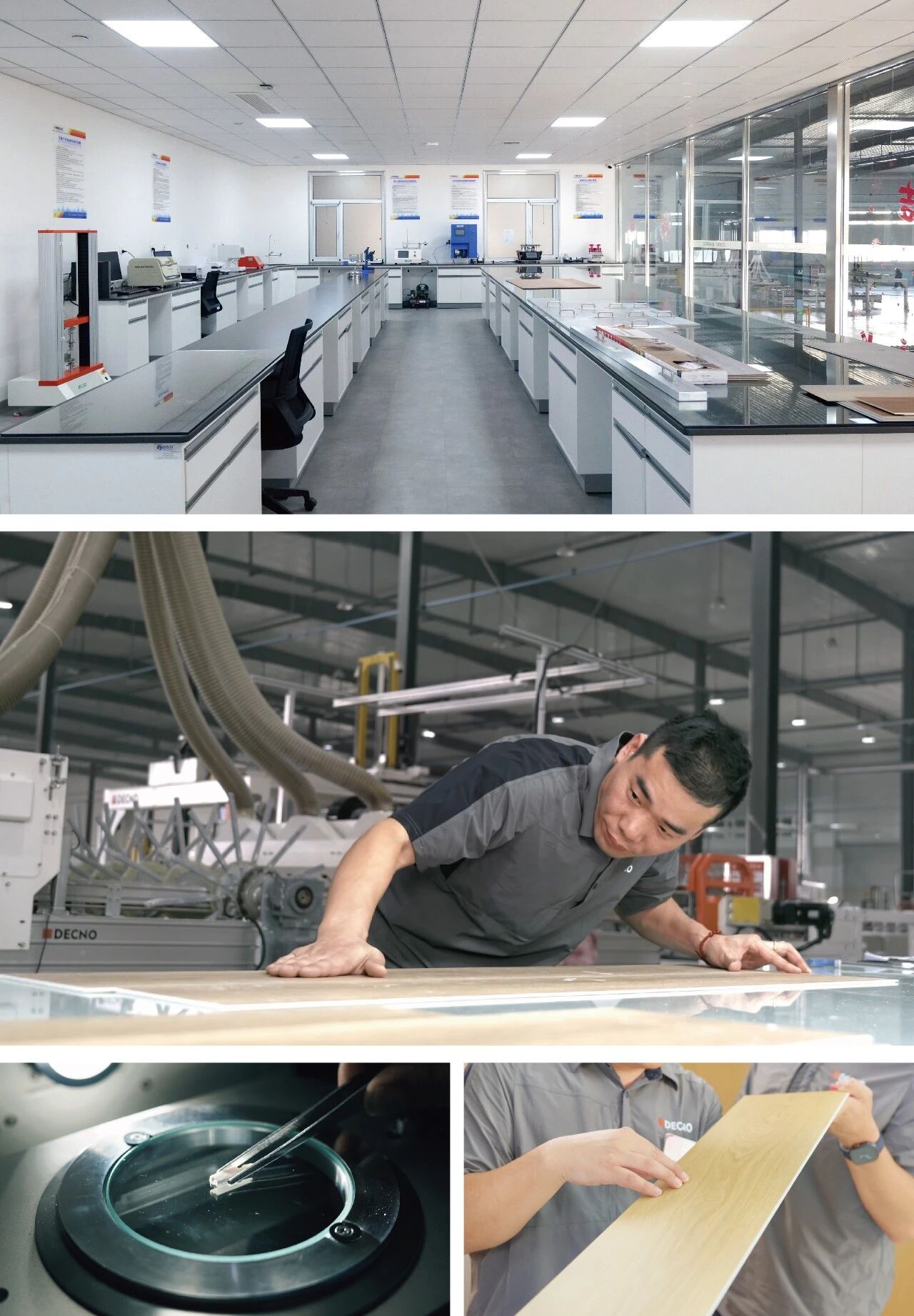 Science, technology and innovation are central to the development of new quality productivity, and industrial innovation is a key vehicle for the transformation of science, technology and innovation into real productivity. With continuous R & D inputs and technological innovation, the DECNO combines the physical performance of new green building materials with the aesthetic depths of decorative aesthetics to drive industrial upgrading with the power of “intellectual construction” — precisely the vivid retrofit of new quality productivity from concept to practice, from power to energy.